Diphenhydramine
| DPH | |
|---|---|
 |
| Salts [] | |
|---|---|
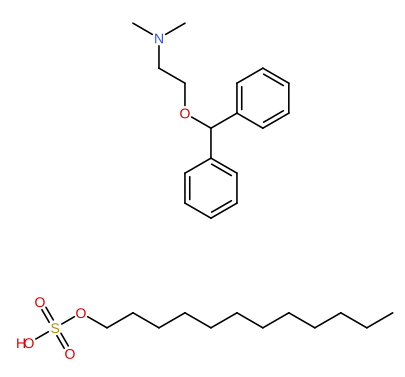
| Diphenhydramine laurylsulfate | |
 | |
| Diphenhydramine salicylate | |
 | |
| Diphenhydramine maleate | |
 | |
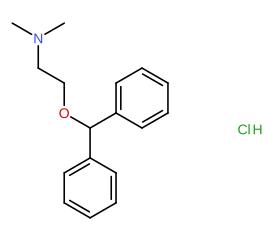
| Diphenhydramine hydrochloride | |
 | |
| Diphenhydramine citrate | |
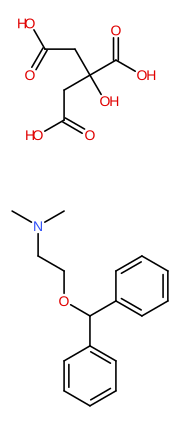 |
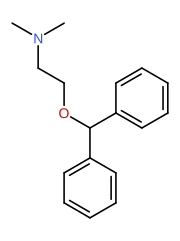
| Molecular structure drawn from PubChem coordinates |
| Physical properties [] | |
|---|---|
| Molecular mass | 255.35 g/mol [1] |
| Appearance | Oil [1] |
| Melting point | 161-162 [1] |
| Boiling point | 150-165 °C at 2.00E+00 mm Hg [1] |
| Solubility | 3060 mg/L (at 37 °C) [1] |
| Predicted LogP | 3.3 [1] |
| Structural Identifiers [] | |
|---|---|
| Molecular formula | C17H21NO |
| IUPAC name | 2-benzhydryloxy-N,N-dimethylethanamine |
| SMILES | CN(C)CCOC(C1=CC=CC=C1)C2=CC=CC=C2 |
| InChI | InChI=1S/C17H21NO/c1-18(2)13-14-19-17(15-9-5-3-6-10-15)16-11-7-4-8-12-16/h3-12,17H,13-14H2,1-2H3 |
| InChIKey | ZZVUWRFHKOJYTH-UHFFFAOYSA-N |
| CAS number | 58-73-1 |
| UNII | 8GTS82S83M |
| PubChem CID | 3100 |
| Pharmacokinetics[] | |
|---|---|
| Onset | ~1 hour[3] |
| Elimination half-life | Range: 2.4–13.5 hours[4] |
| Metabolism | Liver (CYP2D6, others)[5] |
| Excretion | Urine: 94%, Feces: 6%[6] |
| Routes of administration | By mouth, intramuscular, intravenous, topical, rectal |
| Dependence liability | Low[7] |
| Toxicity [] | |
|---|---|
| LD50 | Rat: - Oral: 500 mg/kg [1] |
| Dosing[] |
|---|
| Oral [] | |
|---|---|
| Threshold | 1 - 15.300000000000004 |
| Light | 15.300000000000004 - 50 |
| Common | 50 - 150 |
| Strong | 150 - 350 |
| Heavy | 350 - 600 |
Statistically derived dosages via DBI-IGS (archived by anodyne.wiki) We do not take any responsibility for medical complications or loss of life sustained by following these dosages blindly. |
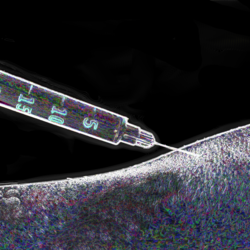
Diphenhydramine (also known as Benzhydramine, Alledryl, Probedryl, Benzhydraminum, Benzhydroamina, Dihidral, Antistominum, Diphantine, Baramine or Benylan) is a anaesthetic substance.
Chemistry
Salts []
Stereochemistry []
Diphenhydramine is achiral.
Druglikeness
Lipinski's rule of five
Diphenhydramine matches Lipinski's rule of five.Reagents
There are currently 1 reagent-interactions on DrugsPRO
| Reagent | Color change | Description |
|---|---|---|
| Froehde | orange |
Pharmacology
ATC Classification
- dermatologicals (D)
- antipruritics, incl. antihistamines, anesthetics, etc. (D04)
- antipruritics, incl. antihistamines, anesthetics, etc. (D04A)
- antihistamines for topical use (D04AA)
- (D04AA32)
- diphenhydramine (D04AA32)
- respiratory system (R)
- antihistamines for systemic use (R06)
- antihistamines for systemic use (R06A)
- aminoalkyl ethers (R06AA)
- diphenhydramine (R06AA02)
MeSH Classification
- anesthetics, local (M0001169)
- antiemetics (M0001391)
- sleep aids, pharmaceutical (M000603757)
- histamine h1 antagonists (M0010395)
- hypnotics and sedatives (M0010885)
- anti-allergic agents (M0028295)
Mechanism of action []
Diphenhydramine predominantly works via the antagonism of H1 (Histamine 1) receptors. Such H1 receptors are located on respiratory smooth muscles, vascular endothelial cells, the gastrointestinal tract (GIT), cardiac tissue, immune cells, the uterus, and the central nervous system (CNS) neurons. When the H1 receptor is stimulated in these tissues it produces a variety of actions including increased vascular permeability, promotion of vasodilation causing flushing, decreased atrioventricular (AV) node conduction time, stimulation of sensory nerves of airways producing coughing, smooth muscle contraction of bronchi and the GIT, and eosinophilic chemotaxis that promotes the allergic immune response. Ultimately, diphenhydramine functions as an inverse agonist at H1 receptors, and subsequently reverses effects of histamine on capillaries, reducing allergic reaction symptoms. Moreover, since diphenhydramine is a first-generation antihistamine, it readily crosses the blood-brain barrier and inversely agonizes the H1 CNS receptors, resulting in drowsiness, and suppressing the medullary cough center. Furthermore, H1 receptors are similar to muscarinic receptors. Consequently, diphenhydramine also acts as an antimuscarinic. It does so by behaving as a competitive antagonist of muscarinic acetylcholine receptors, resulting in its use as an antiparkinson medication. Lastly, diphenhydramine has also demonstrated activity as an intracellular sodium channel blocker, resulting in possible local anesthetic properties. [1]
Interactions []
Medical side effects []
46 side effects listed on drug labels in SIDER 4.1 (diphenhydramine).
- Agranulocytosis
- Haemolytic anaemia
- Decreased appetite
- Confusional state
- Feeling abnormal
- Constipation
- Drug eruption
- Diarrhoea
- Diplopia
- Dizziness
- Somnolence
- Asthenia
- Fatigue
- Headache
- Hypotension
- Irritability
- Labyrinthitis
- Nasal congestion
- Nausea
- Nervousness
- Tension
- Neuritis
- Neuropathy peripheral
- Palpitations
- Paraesthesia
- Convulsion
- Tachycardia
- Thrombocytopenia
- Tinnitus
- Tremor
- Pollakiuria
- Urticaria
- Vertigo
- Vomiting
- Wheezing
- Urinary retention
- Chills
- Agitation
- Dyspepsia
- Chest discomfort
- Euphoric mood
- Extrasystoles
- Vision blurred
- Photosensitivity reaction
- Hyperhidrosis
- Insomnia
Indications
- Allergic conditions
- Anaphylactic shock
- Angioedema
- Conjunctivitis allergic
- Hypersensitivity
- Motion sickness
- Parkinsonism
- Urticaria
- Urticaria physical
Subjective effects []
| 0xea / Diphenhydramine [] | |
|---|---|
Routes:
| |
| emily / Diphenhydramine [] | |
|---|---|
Routes:
| |
| magnus / Diphenhydramine [] | |
|---|---|
Routes:
| |
| nervewing / Diphenhydramine [] | |
|---|---|
| Pilz / Diphenhydramine [] | |
|---|---|
Routes:
| |
Experience reports
Erowid
There are currently 30 experience reports involving diphenhydramine on Erowid: []- "Seven Years Overall, About Eight Times a Year" by Miles
- "One Very Odd Night" by Silent Evil
- "Nightmare Alive" by WaffleNY
- "Lovely Friendly Body Trip" by wonder-full
- "Genesis and Revelations" by Singer
- "I Want This to End" by SchitzoJoe
- "Deeply Disturbing" by Jason
- "A Night With Diphenhydramine" by Annie
- "Shock Therapy to the Gut" by AnotherEmoKid
- "The Miracle in the Medicine Cabinet" by A. Gold
- "A Strange Combination" by KingBB
- "A Cloudy Day with Beny" by Canned Brocccoli
- "Retarded for a Day. Or Week... Or Months..." by jplats
- "Getting Drylled" by Psyck Of It All
- "A World Made of Jelly" by BigFresh
- "Wobbling Down the Boardwalk" by Geneity
- "Glimpse of Insanity" by Diphenhydramine
- "Invisible Lightning" by Andrew
- "Drifting Mind's Eye Hallucinations" by Ginger
- "Tila Tequilla Moved Her Body" by The Duke
- "Edge of Our World" by Anonymous
- "To Break" by Kley Kruze
- "A Failed Test of Willpower" by Berias
- "...But I Did Everything Right!" by Flava Flav
- "Swimming in Insanity" by Jack W
- "Unable to Walk, Talk or Remember" by Shwaa
- "The Legal Habit" by Wingnut
- "Toxic Scary Danger" by czekmayte
- "Turbo Orgasm ^10" by Anonymous
- "Weakening Towards Coma" by Phaser
- "My One and Only Benadryl Trip" by spicymemewater (43 upvotes)
- "My One Week tripping on Benadryl Experience" by NotTheSmartestHuman (35 upvotes)
- "650mg DPH - Night of the centipede" by ArtoisConnection (31 upvotes)
- "Taking 700mg of DPH, forgetting i took it, then tripped until the next day at school." by Ivanakillu101 (30 upvotes)
- "I overdosed last week on benadryl" by [deleted] (28 upvotes)
- "Benadryl Horror Story (my worst trip)" by izzsino (27 upvotes)
- "700mg Diphenhydramine" by BreadManToast (27 upvotes)
- "Fucked up trip" by theperson13254 (27 upvotes)
- "Every Drug I've taken so far (AMA)" by Used-Philosopher-408 (26 upvotes)
- "My accidental overdose on Benadryl" by dylan_350 (25 upvotes)
- "Interesting benadryl trip" by brikxz (25 upvotes)
- "3150mg Trip report" by klynithial (23 upvotes)
- "Never again." by slothboi8906 (22 upvotes)
- "Diphenhydramine (700mg Oral)" by stunningtmrsfll (22 upvotes)
- "The night I took acid and 15 Benadryl’s and lost my mind" by Lower_Editor_2603 (20 upvotes)
- "Girlfriend saw Hat Man on LSD (85ug half tabs)" by Main_Use_147 (19 upvotes)
- "My Benadryl Strange Experience." by bignotcherry (19 upvotes)
- "Diphenhydramine, what should I expect?" by xAnorexorcist (19 upvotes)
- "Dph (benadryl) nightmare" by yunboyyliveing (18 upvotes)
- "My first shrooms trip (2g psilocybin)" by queefingbarber (18 upvotes)
- ""I think I'm having a stroke" - Don't mix DMT + Cocaine" by Trick_Statement3390 (18 upvotes)
- "Unintentional Benadryl Trip" by shrimpytank4367 (17 upvotes)
- "Literal Hell" by GingerbreadD666 (17 upvotes)
- "My friends 900 mg dph trip" by RegularPin (16 upvotes)
- "400mg diphenhydramine and booze" by BigLuck5 (16 upvotes)
- "I did DXM and my partner did LSD — We both felt our realities break down and our egos "combine". Has anyone else experienced anything like this?" by Baldemoto (16 upvotes)
- "50mg Zolpidem + 300mg DXM + 350mg DPH" by ninamphetamine (16 upvotes)
- "Unknowingly ingested LARGE amount of unknown deliriant. Benadryl?" by thatbabe31 (15 upvotes)
- "550mg DPH (Benadryl) trip report" by conduxit (14 upvotes)
- "Black Pepper, Clove, and parsley (live) trip report" by CumslutCristell (14 upvotes)
- "4000mg dph trip" by johnnyr3bl (14 upvotes)
- "DPH 1000mg Trip Report: Making All of My Nightmares a Reality" by GattsuBerserker (13 upvotes)
- "300 mg of dxm and 100 mg of dph" by securiskeyy (13 upvotes)
- "My most recent and final DXM experience (450mg)" by [deleted] (13 upvotes)
- "Diphenhydramine trip reports" by Ok_Consideration6462 (13 upvotes)
- "My nightmare flip experience DPH+LSD" by mikeperson229 (12 upvotes)
- "4g of Amanita Muscaria, 25 mg THC" by HarlowAdair (12 upvotes)
- "Nutmeg Trip ~ 1 tbsp" by juicedog010 (12 upvotes)
- "First time with 400mg DPH...and I can't wait to do it again!" by SaintDexter (12 upvotes)
- "375mg dph (BENADRYL) trip report 1st time experience" by Interesting_Sign_249 (12 upvotes)
- "Cannabis trip report (detailed)" by zafadem (12 upvotes)
- "Dph 350mg trip" by WaterEater444 (12 upvotes)
- "A wild dph trip" by mikeperson229 (12 upvotes)
- "6-Session Ketamine Report" by spaghetti_okra (11 upvotes)
- "Weed + DPH + DXM + Codeine + Benzedrex + Hydroxyzine" by AdministrationMany53 (11 upvotes)
- "5-MeO-MiPT is the most euphoric psychedelic (my experience and all you need to know)" by PsychedStrawberry (11 upvotes)
- "My mirtazapine trip" by actuallyaddie (11 upvotes)
- "First ever psychedelic experience, DIY ayahuasca, and reckless stupid idea" by Byronwontstopcalling (11 upvotes)
- "First ever mushroom trip with my homegrown Golden Teachers and buddies(~3.5 to ~4g+) It was AMAZING" by daviman123 (11 upvotes)
- "Tripping on DPH with my parents" by illbesoalone (11 upvotes)
Legal status []
- Australia: Diphenhydramine is a S4 / S2 (Pharmacy Medicine) / S3 (Pharmacist Only Medicine).
- Canada: Diphenhydramine is a OTC.
- United Kingdom: Diphenhydramine is a P.[8]
- United States: Diphenhydramine is a OTC / Prescription only.[9]
- United Nations: Diphenhydramine is Unscheduled.
- Other: Diphenhydramine is a SE: Rx-only.
See also []
External links []
- Diphenhydramine (Wikipedia)
- Diphenhydramine (PubChem)
- Diphenhydramine (Wikidata)
- Diphenhydramine (DrugBank)
- Diphenhydramine (ChEMBL)
- Diphenhydramine (ChEBI)
- Diphenhydramine (Common Chemistry)
- Diphenhydramine (HMDB)
- Diphenhydramine (KEGG)
- Diphenhydramine (EPA DSSTox)
- Diphenhydramine (Effect Index)
- Diphenhydramine (UNII)
- Diphenhydramine (SIDER)
- Diphenhydramine (Erowid)
References []
National Center for Biotechnology Information. PubChem Compound Summary for CID 3100, Diphenhydramine. Accessed November 22, 2026. https://pubchem.ncbi.nlm.nih.gov/compound/3100
U.S. Food and Drug Administration; National Center for Advancing Translational Sciences. Diphenhydramine. UNII: 8GTS82S83M. Global Substance Registration System. Accessed November 22, 2026. https://gsrs.ncats.nih.gov/ginas/app/beta/substances/8GTS82S83M
Diphenhydramine. https://go.drugbank.com/drugs/DB01075#:~:text=Diphenhydramine%20is%20quickly,after%20administration%206%2C13
Madan A, O'Brien Z, Wen J, O'Brien C, Farber RH, Beaton G, Crowe P, Oosterhuis B, Garner RC, Lappin G, Bozigian HP. A pharmacokinetic evaluation of five H(1) antagonists after an oral and intravenous microdose to human subjects. Br J Clin Pharmacol. March 2009; 67(3):288–298. PMID 19523012.
Showing Diphenhydramine (DB01075). DrugBank. http://www.drugbank.ca/drugs/DB01075
Garnett WR. Diphenhydramine. American Pharmacy. February 1986; NS26(2):35–40. PMID 3962845. https://doi.org/10.1016/s0095-9561(16)38634-0
Hubbard JR, Martin PR. Substance Abuse in the Mentally and Physically Disabled. CRC Press. 2001. https://books.google.com/books?id=MY1kFYk98mQC&pg=PA26
Benylin Chesty Coughs (Original) - Summary of Product Characteristics (SmPC). (emc). 24 February 2022. https://www.medicines.org.uk/emc/product/1476/smpc
Diphenhydramine- diphenhydramine hydrochloride injection, solution. DailyMed. 11 November 2019. https://dailymed.nlm.nih.gov/dailymed/drugInfo.cfm?setid=921b9f64-1096-46db-866a-67f0f9ff6790
Data sources []
| Source | Status | Updated (UTC) |
|---|---|---|
| dosing | ok | 2026-11-20 19:00:09 |
| drugspro | ok | 2026-11-20 19:00:05 |
| erowid | ok | 2026-11-20 19:00:08 |
| gsrs | ok | 2026-11-20 19:00:10 |
| hmdb | missing (hmdb.ca refused automated access to HMDB0001927) | 2026-11-20 19:00:05 |
| kegg | ok | 2026-11-20 19:00:08 |
| pubchem | ok | 2026-11-20 19:00:05 |
| ok | 2026-11-20 19:00:05 | |
| sider | ok | 2026-11-20 19:00:05 |
| structure | ok | 2026-11-20 19:00:05 |
| wikipedia | ok | 2026-11-20 19:00:05 |